
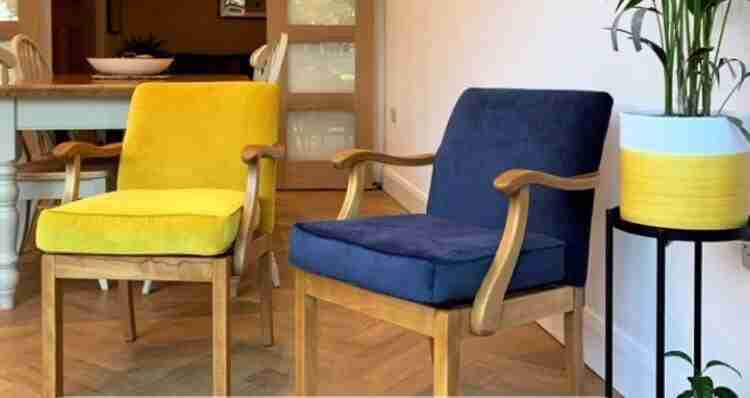
In an era of increasing awareness about environmental sustainability, the allure of restored furniture is gaining notable attention. This shift in consumer preference is not merely driven by the aesthetic appeal these pre-loved pieces exude, but also their lower environmental impact and cost-effectiveness compared to new furniture.
This article delves into the various facets of furniture restoration, from its environmental implications to techniques used in the restoration process. Further, it provides valuable insights into selecting quality used furniture, a skill increasingly demanded by today’s discerning consumers.
The aim is to empower the reader with knowledge to make informed, sustainable choices in furniture selection, contributing to a shared vision of a greener, more sustainable world. This exploration of furniture restoration underscores a collective longing for sustainable living, driving home the point that choosing restored furniture is not just a style statement, but a responsible and environmentally conscious choice.
The Appeal of Pre-Loved Pieces
The allure of pre-loved furniture pieces is deeply rooted in their unique history, character, and potential for sustainable living. They offer a distinct charm that is difficult to replicate in contemporary, mass-produced items. These items not only showcase vintage charm and unique designs but also form an emotional connect with the user, thereby promoting a sense of belonging.
The preservation of history and the enhancement of interior aesthetics through these pieces contribute to their increasing popularity. Furthermore, they embody artistic expression and reflect the personality of their owners, leading to a deep sense of craftsmanship appreciation. The timeless elegance and storytelling elements embedded in these pre-loved items allow them to transcend beyond functioning merely as furniture, establishing them as integral components of a sustainable lifestyle.
Environmental Impact of Furniture Restoration
Restoration of old furnishings significantly reduces environmental impact by minimizing waste and curbing deforestation rates, thus contributing to a more eco-friendly lifestyle. The recycling benefits of restoration are manifold, aiding in emission reduction and landfill avoidance.
Utilizing restoring techniques not only conserves resources but also fosters a sense of belonging as the community joins hands in promoting eco-conscious living. DIY restoration, despite its challenges, has been embraced as a tool for waste reduction and forest preservation.
As more individuals recognize the aesthetic and environmental value of restored furniture, the move towards a sustainable choice becomes not only an act of preservation but a testament to the beauty of a lifestyle that cherishes the old and embraces the new in a cycle of mindful living and responsible consumption.
Cost-Effectiveness of Choosing Used over New
Opting for pre-owned items over brand-new ones can be a financially savvy decision, as this approach often offers high-quality pieces at a fraction of their original cost. This strategy, an integral part of thrifty renovations, allows for the acquisition of discounted luxury that contributes to a budget-friendly decor without compromising on quality.
A careful affordability analysis reveals the savings strategies involved in purchasing restored furniture. The resale value of such pieces often surpasses their purchase price, indicating high investment potential. Upcycling benefits extend beyond environmental impact, leading to substantial price comparisons between new and restored items.
The cost-effectiveness of choosing used over new, therefore, is not merely a trade-off between quality and cost, but a sustainable choice that fosters a sense of belonging.
Techniques in Furniture Restoration
Underpinning the economic advantages of acquiring used items are a myriad of techniques in furniture restoration, which facilitate the transformation of worn-out pieces into unique and valuable additions to any interior space. These techniques involve a wide range of restoration tools, allowing for the careful selection of materials to ensure historical authenticity.
The practice of restoration offers multiple benefits, including skill development through DIY projects and the thrill of overcoming restoration challenges.
Moreover, safety measures play an integral role in the restoration process, particularly during the manipulation of fragile antiques. Upcycling methods, meanwhile, promote creativity and customization, allowing individuals to personalize their spaces.
Despite the challenges, the beauty and value of restored furniture make the process a sustainable and rewarding choice.
Tips for Selecting Quality Used Furniture
Navigating the vast collection of pre-owned items requires discernment and knowledge to ensure the acquisition of high-quality pieces.
Material Inspection and Durability Assessment form the core of this process, allowing for an analysis of the item’s longevity and structural integrity.
Historical Value and Craftsmanship Consideration provide insight into the piece’s origins and the skilful hands that shaped its existence.
Style Selection and Functionality Evaluation ensure the piece fits seamlessly into the desired space, serving the chosen purpose.
Refurbishing Options open the door to aesthetic customization, while Authenticity Verification guarantees the item’s legitimacy.
Cleaning Techniques and Comfort Testing finalize the process, guaranteeing a clean, comfortable addition to one’s home.
This careful, methodical approach ensures a sustainable, timeless investment.